WIMA Nigeria Backs Tomoro Fishers with New Pathway to Inclusive Blue-Economy Growth
 GLORYANN OSANG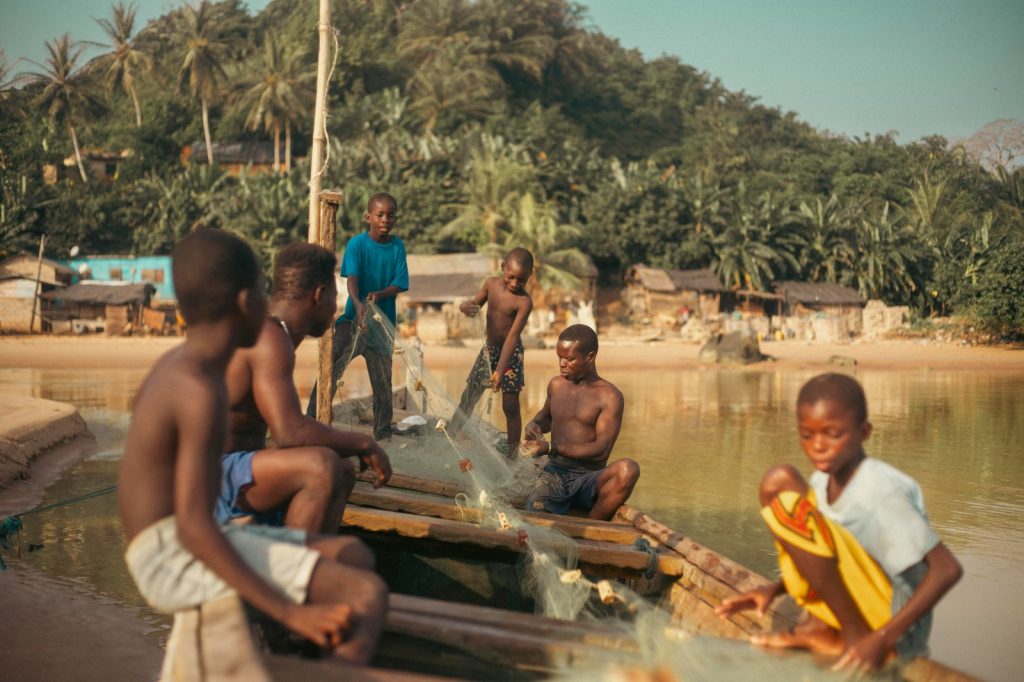
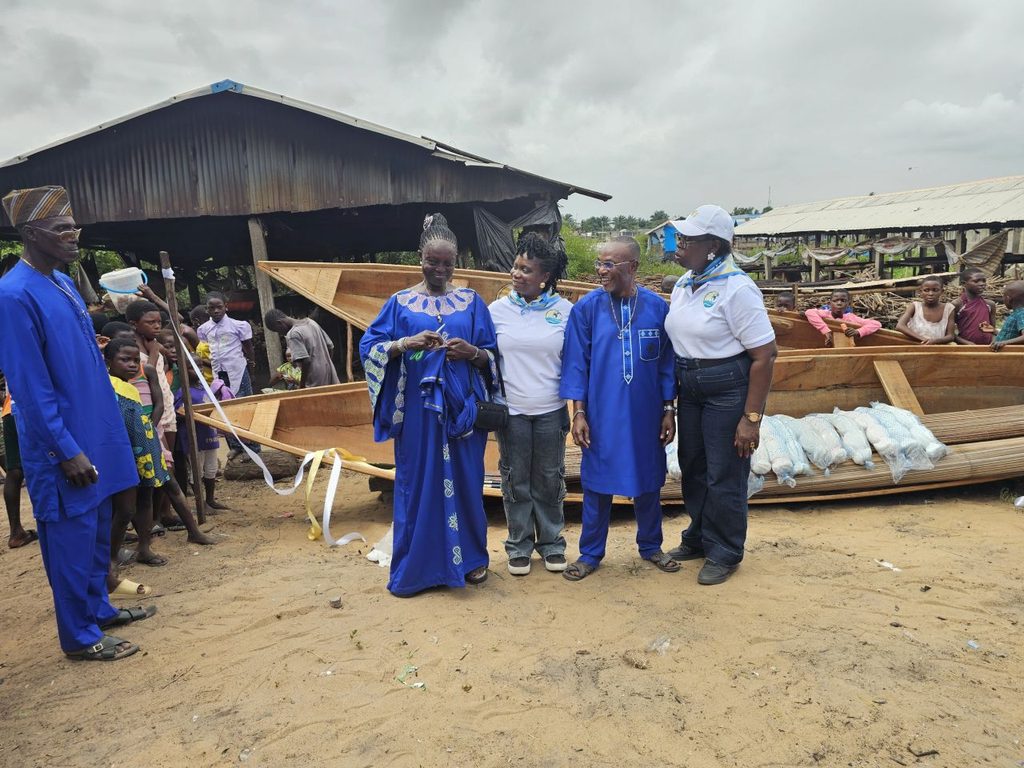
Women in Maritime Africa (WIMA) Nigeria recently strengthened this opportunity by donating two fishing boats and fishing nets to members of Tomoro Community, reinforcing its commitment to inclusive economic development and sustainable livelihoods in coastal communities.
The intervention comes at a time when communities whose lives depend on Nigeria’s waterways continue to face economic pressures that can limit access to productive assets. For small-scale fishers, the absence of adequate boats, nets and other equipment can translate directly into reduced fishing capacity, lower household income and greater vulnerability.
By providing essential fishing assets, WIMA Nigeria is helping to address one of the most immediate barriers to productivity: access to the tools required to work. But the significance of the intervention goes beyond the boats themselves.
From Donation to Sustainable Livelihood
For Tomoro’s fishers, productive assets can mean the difference between merely surviving from one fishing season to another and building a more reliable livelihood.
The new boats and nets have the potential to improve fishing operations, expand access to fishing grounds and strengthen the capacity of beneficiaries to generate income. Increased fishing productivity could also have wider implications for household food security and the local economy, where fishing supports a network of families and small businesses.
This makes the initiative particularly relevant to the broader conversation around Nigeria’s blue economy — an economic model that recognises the enormous value of the country’s oceans, rivers, creeks and other aquatic resources while promoting their responsible and sustainable use.
For communities like Tomoro, inclusion in that conversation must begin at the grassroots.
Putting Coastal Communities at the Centre
Nigeria’s blue economy cannot be fully realised without the participation of the people who live and work within coastal communities.
Small-scale fishers possess generations of knowledge about local waters and aquatic ecosystems, yet many remain constrained by limited access to finance, equipment, technology and markets. Interventions that provide productive assets therefore offer an opportunity to connect traditional livelihoods with broader economic development ambitions.
WIMA Nigeria’s intervention demonstrates how community-focused initiatives can help bridge that gap. Rather than treating coastal residents solely as beneficiaries, providing them with productive tools positions them as active participants in the economic value chain.
And that distinction matters.
When a community receives an asset that can generate income beyond the day of the intervention, the impact has the potential to continue long after the photographs and ceremony have ended.
A Wider Impact on Families and Food Security
The benefits of fishing rarely stop with the individual fisher.
Income generated from fishing can support household food, children’s education, healthcare and other essential needs. Fish landed by local fishers also contributes to food supply within surrounding communities, making small-scale fisheries an important part of the food-security equation.
For Tomoro families, therefore, improved fishing capacity could translate into multiple layers of social impact — from stronger household livelihoods to greater local access to food.
It is this multiplier effect that gives the intervention significance beyond the value of the equipment provided.
Advancing an Inclusive Blue Economy
As Nigeria increasingly looks towards the blue economy as a pathway for economic diversification, job creation and sustainable development, ensuring that coastal communities are not left behind will be critical.
WIMA Nigeria’s support for Tomoro fishers offers a practical example of what inclusion can look like at community level: equipping people with productive assets, strengthening livelihoods and creating opportunities for local economic participation.
The next step is ensuring that such interventions are sustained through complementary support such as skills development, access to finance, responsible fishing practices, market linkages and environmental stewardship.
For the people of Tomoro, however, the journey has already taken a meaningful step forward.
Two boats and fishing nets may appear modest against the scale of Nigeria’s blue-economy ambitions. But for the families whose livelihoods depend on the water, they represent something much more tangible — the tools to work, the opportunity to earn and a renewed stake in the future of their community.
And perhaps that is where a truly inclusive blue economy begins: not in policy documents alone, but in coastal communities where the people closest to Nigeria’s waters are given the means to prosper from them responsibly.
[give_form id="20698"]