High Cooking Gas Price Increase Hardship for Lagos Families, Daily Survival Under Strain
 csrreporters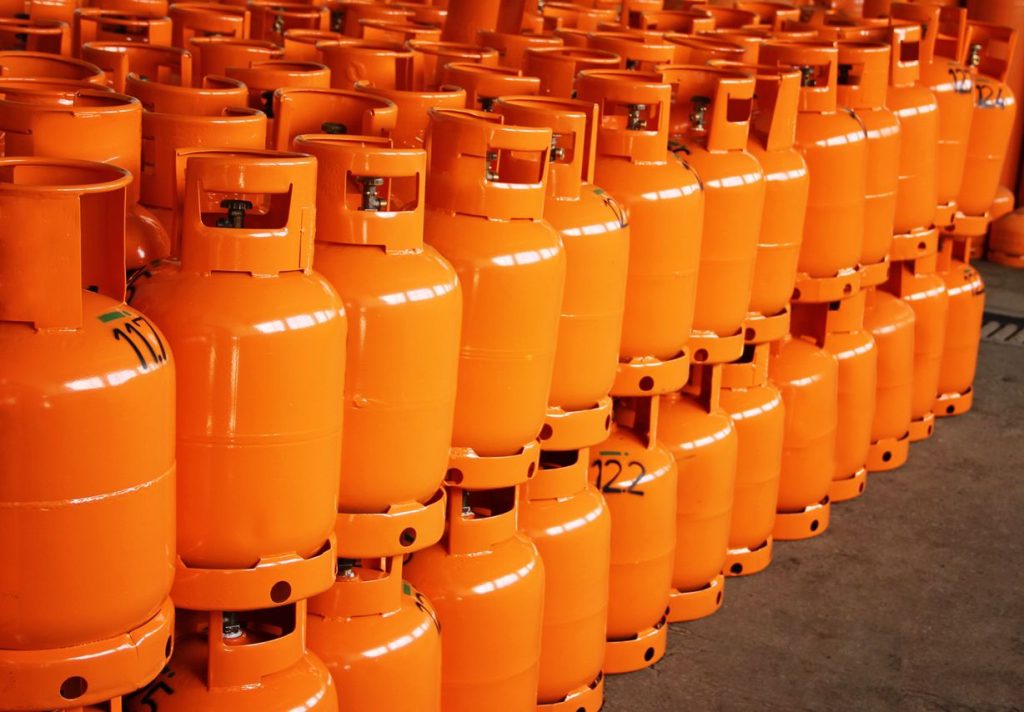
A Daily Struggle Becomes More Expensive
Across Lagos, a quiet but deeply felt crisis is unfolding in homes, roadside kitchens, and small food businesses. The rising cost of cooking gas has become one of the most immediate pressures on households already battling inflation, transport fare increases, and a worsening cost-of-living crisis.
What was once considered a relatively stable and convenient source of energy has now become increasingly unaffordable. In some parts of the city, cooking gas is reportedly sold for as high as ₦1,900 per kilogram, a sharp increase that has left many residents struggling to cope with daily cooking needs.
For many families, this is no longer just about convenience, it is about survival.
Households Forced to Adjust Survival Strategies
In low income communities across Lagos, the impact is immediate and visible. Families are changing how, when, and what they cook.
Many households now cook less frequently, reduce meal portions, or delay refilling gas cylinders in anticipation of price drops. Others are temporarily switching to cheaper alternatives such as charcoal and kerosene, despite the known health and environmental risks.
A resident in Lagos noted that the situation has become unpredictable. According to her, “Sometimes you go to refill, and the price has changed again. There is no stability anymore.”
For daily wage earners, this volatility makes household planning increasingly difficult.
Small Food Businesses Under Pressure
The impact is even more severe for small food vendors, bukas, roadside kitchens, caterers, and bakeries that depend heavily on cooking gas for daily operations.
For these businesses, LPG is not optional, it is essential.
However, rising prices have significantly reduced profit margins. Many food sellers now face the difficult choice of either increasing food prices, reducing portion sizes, or limiting daily production.
While some have adjusted prices slightly, they risk losing customers who are also struggling financially. Others have chosen to maintain prices but reduce output, which affects their overall income.
The result is a cycle of pressure affecting both businesses and consumers at the same time.
What Is Driving the Price Surge?
Industry observers attribute the sharp increase in cooking gas prices to multiple interconnected factors.
Key drivers include foreign exchange instability, rising transportation costs, supply chain disruptions, and Nigeria’s dependence on imported LPG components. Global energy market fluctuations also continue to influence local pricing.
Additionally, recent increases in petrol and diesel prices have worsened distribution costs. Since transportation is a major component of LPG supply, any rise in fuel cost is quickly passed down to consumers.
Retailers across Lagos also report frequent price changes at depots, making it difficult to maintain stable retail pricing for end users.
Risk of Returning to Unsafe Cooking Alternatives
Beyond economic pressure, experts warn of growing environmental and public health risks.
For years, stakeholders have promoted Liquefied Petroleum Gas (LPG) as a cleaner alternative to firewood and charcoal, aimed at reducing indoor air pollution and environmental degradation.
However, rising prices now threaten to reverse this progress.
As LPG becomes less affordable, more households may return to traditional fuels such as firewood and charcoal — cheaper options in the short term but harmful in the long run.
This shift could increase exposure to indoor smoke, particularly among women and children, while also contributing to deforestation and environmental damage.
Deepening Energy Pressure in Urban Areas
Energy analysts warn that the situation reflects a broader challenge of energy affordability in urban Nigeria.
In cities like Lagos, where dependence on LPG is high, rising prices are pushing households deeper into energy poverty. Cooking gas, once seen as a middle-ground option between electricity and firewood, is gradually becoming unaffordable for many low-income families.
Without intervention to stabilize supply and improve local production and distribution efficiency, analysts fear the situation may worsen.
A Growing Cost of Living Pressure
For now, Lagos residents continue to adjust to the rising cost of cooking gas in different ways from rationing usage to changing diets and spending habits.
But the underlying concern remains clear: energy costs are becoming increasingly unpredictable, and households are bearing the burden.
As inflation continues to affect daily life, the sharp rise in cooking gas prices stands as another reminder of the growing pressure on Nigerian families and small enterprises. Without meaningful stabilization in the energy sector, many fear that hardship may deepen further in the months ahead.
Further Reading: Cooking Fuel Prices Surge, Worsening Nigeria’s Energy Poverty Crisis
[give_form id="20698"]