ROSEMARY IMOBHIO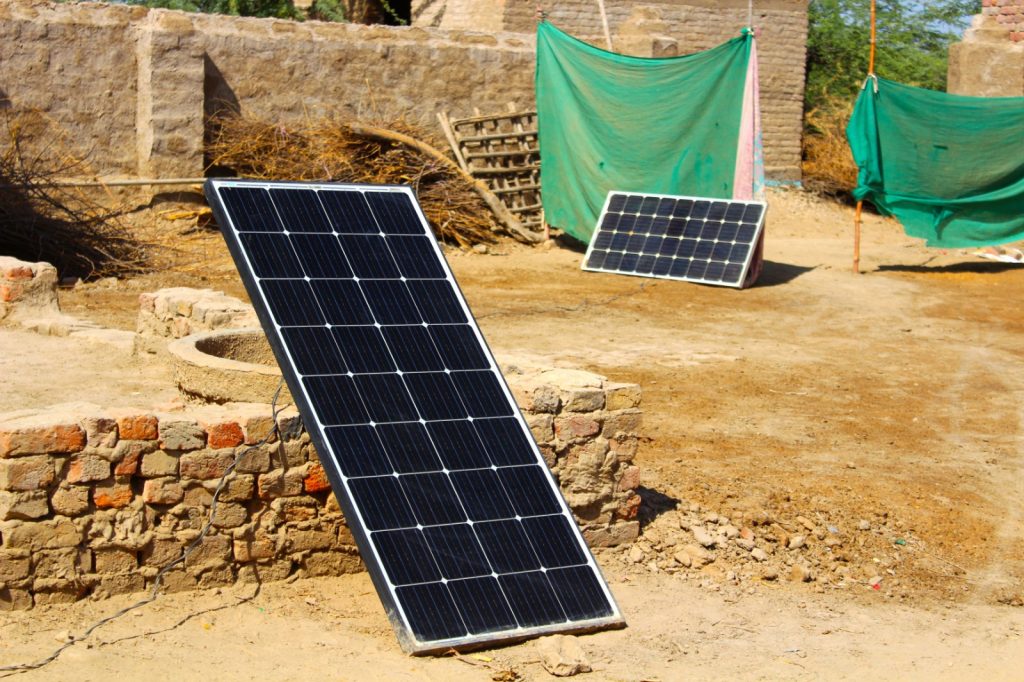
Sudan has launched a national dialogue aimed at accelerating the deployment of solar mini-grids. This marks a significant step toward expanding electricity access, reducing dependence on diesel generators, and advancing sustainable development.
The initiative brings together government agencies, development partners, renewable energy experts, and community representatives. The private sector is also present and it aims to explore policies and financing models that could help deliver reliable power to underserved communities.
Although the dialogue takes the form of a technical workshop, its significance extends far beyond the conference room. Sudan is a country where millions of people continue to experience limited or unreliable electricity. The discussions could shape how it approaches rural electrification, economic recovery, and climate resilience in the coming years.
The event is being led by Sudan’s Ministry of Energy in collaboration with the Sudan Electricity Holding Company, the United Nations Development Programme (UNDP), and the Regional Center for Renewable Energy and Energy Efficiency (RCREEE). Representatives from Red Sea and Kassala states, alongside community leaders and other stakeholders, are also participating to ensure that local realities help inform national energy policies.
Officials say the dialogue seeks to identify practical models for developing solar mini-grids. This while creating an enabling environment for investment and long-term project sustainability. The discussions also focus on strengthening collaboration between the public and private sectors. It recognises that expanding electricity access will require more than government funding alone.
The initiative comes at a critical time. Sudan continues to face enormous economic and humanitarian challenges. Years of underinvestment and conflict have left many communities without dependable electricity. Extending the national grid to every remote settlement remains costly and technically difficult. As a result, policymakers increasingly view decentralised renewable energy systems as a realistic way to bridge the country’s electricity gap.
Why Solar Mini-Grids Matter
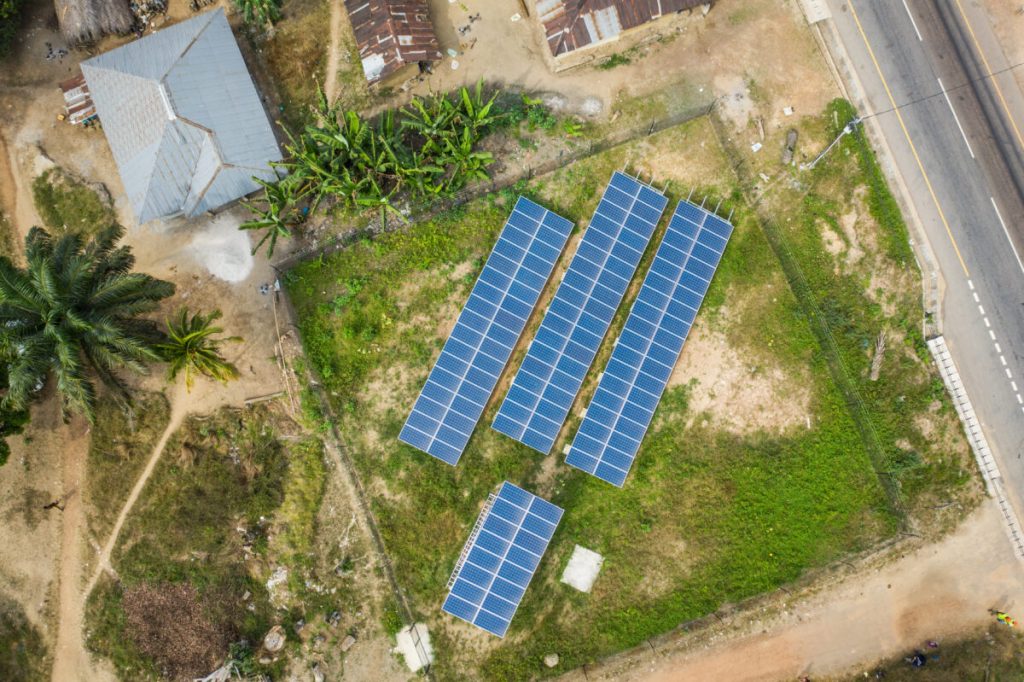
Unlike conventional power systems that rely on extensive transmission networks, solar mini-grids generate and distribute electricity within individual communities. These systems can power villages, schools, health centres, markets, farms, and small businesses without requiring connection to the national grid.
Consequently, they have become an increasingly attractive solution across Africa. Particularly in remote areas where extending grid infrastructure would take years and demand substantial investment.
For Sudan, the potential benefits are considerable. Reliable electricity could improve healthcare delivery by powering vaccine refrigerators, medical equipment, and emergency services. Schools could extend learning hours through better lighting and digital tools. Farmers could use electric irrigation systems and cold storage facilities to reduce post-harvest losses. While entrepreneurs could operate businesses without frequent power interruptions.
Furthermore, improved electricity access often creates opportunities for new enterprises, supports job creation, and strengthens local economies. These outcomes align closely with the Sustainable Development Goals, particularly those related to affordable and clean energy, economic growth, innovation, and climate action.
Breaking Dependence on Diesel Generators
The national dialogue also highlights another pressing challenge facing Sudan’s energy sector: heavy dependence on diesel generators.
Across many rural and peri-urban communities, households, healthcare facilities, schools, and businesses rely on diesel-powered generators. The electricity from the national grid is unavailable or unreliable. While generators have provided an essential source of backup power for years, they also come with significant financial and environmental costs.
Fuel prices remain volatile, making electricity generation increasingly expensive for businesses and community institutions. In addition, supply shortages can interrupt operations for days or even weeks. This affects essential services such as healthcare, education, and water supply. Small businesses often struggle to absorb these rising operating costs, which can limit productivity and discourage investment.
Environmental concerns add another layer of urgency. Diesel generators produce greenhouse gas emissions and local air pollution, contributing to climate change while affecting public health. Noise pollution and high maintenance costs further reduce their long-term viability, especially in low-income communities.
Solar mini-grids present a cleaner and potentially more affordable alternative. Once installed, they rely on abundant solar resources rather than imported fossil fuels. This helps communities reduce exposure to fluctuating fuel prices. Hybrid systems that combine solar energy with battery storage can also provide more consistent electricity while lowering operational costs over time.
As Sudan explores pathways toward a more resilient energy system, reducing reliance on diesel generation has become an increasingly important objective. Transitioning to renewable energy is not simply an environmental goal. It is also an economic and social strategy that could improve livelihoods while strengthening national energy security.
Beyond Technology
However, expanding solar mini-grids is not solely about installing panels and batteries. Success will ultimately depend on strong policies, effective regulation, sustainable financing, and meaningful community participation.
That broader conversation now forms the centrepiece of Sudan’s national dialogue, as stakeholders work to identify practical solutions that can attract investment while ensuring renewable energy projects deliver lasting benefits for communities that have waited years for reliable electricity.
Governance and Investment Will Determine Success
While technology provides the foundation for cleaner energy, participants at the national dialogue acknowledged that policy and governance will determine whether solar mini-grids can expand beyond pilot projects.
Discussions therefore focused on creating an enabling environment that attracts private investment while ensuring projects remain affordable and sustainable for the communities they serve. Among the issues under consideration are clearer licensing procedures, stronger regulatory frameworks, financing mechanisms, and incentives that encourage public-private partnerships.
For investors, predictable policies reduce uncertainty and improve confidence. For communities, effective regulation helps ensure service quality, transparent pricing, and long-term maintenance. Striking that balance will be essential if Sudan hopes to scale solar mini-grids across multiple states.
The dialogue also explored ways to mobilise funding from development finance institutions, climate funds, commercial investors, and philanthropic organisations. Such blended financing models have helped renewable energy projects gain momentum in several African countries. They could offer Sudan a practical pathway despite its economic challenges.
Why the Initiative Matters for CSR and ESG
Beyond energy access, the initiative carries important implications for corporate sustainability and responsible business practices.
Companies operating in sectors such as mining, agriculture, telecommunications, and manufacturing depend on reliable electricity to maintain operations. Investing in renewable energy solutions can strengthen business continuity while reducing operational emissions and fuel costs.
For organisations pursuing Environmental, Social, and Governance goals, supporting decentralised clean energy projects also demonstrates a commitment to community development. Reliable electricity can improve access to education, healthcare, digital services, and income-generating opportunities, creating shared value for both businesses and local communities.
Women entrepreneurs, for example, often face additional barriers when electricity is unreliable. Improved access can enable longer business hours, support food processing and preservation, and increase opportunities for home-based enterprises. Young people also stand to benefit through new jobs in solar installation, maintenance, technical services, and clean energy entrepreneurship.
These outcomes align closely with Sustainable Development Goal 7 on affordable and clean energy. They also contribute to SDG 8 on decent work and economic growth, SDG 9 on industry, innovation and infrastructure, and SDG 13 on climate action.
Sudan Joins a Growing African Trend
Sudan’s initiative reflects a broader shift taking place across Africa. Governments are increasingly viewing decentralised renewable energy as a practical solution for expanding electricity access.
Nigeria has continued to promote mini-grid development through regulatory reforms and rural electrification programmes aimed at serving communities beyond the national grid. Kenya has expanded the use of off-grid renewable energy in remote regions. Tanzania has supported mini-grid investments to improve electricity access for rural households and businesses.
Zambia has also explored renewable energy projects to diversify its electricity mix, particularly during periods of reduced hydropower generation. Meanwhile, Sierra Leone has invested in community-based solar projects to improve energy access in underserved areas.
Although each country faces unique circumstances, they share a common objective: delivering reliable electricity to communities where extending the national grid remains difficult or economically unviable.
Sudan’s national dialogue therefore represents more than a domestic policy discussion. It signals the country’s intention to participate in Africa’s wider transition toward cleaner, more resilient, and more inclusive energy systems.
Significant Challenges Remain
Despite the optimism surrounding the initiative, substantial obstacles remain. Political instability and ongoing conflict continue to create uncertainty for investors and development partners. Infrastructure damage, limited technical capacity, and financing constraints could also slow implementation.
Affordability presents another challenge. Even when solar mini-grids reduce long-term operating costs, communities may still struggle with connection fees or electricity tariffs if financing models do not reflect local economic realities.
Maintenance will require equal attention. Without trained technicians, reliable supply chains, and effective governance structures, systems can deteriorate over time, reducing confidence in renewable energy solutions.
Participants at the dialogue acknowledged that overcoming these barriers will require coordinated action among government agencies, development partners, financial institutions, the private sector, and local communities.
Looking Ahead
Sudan’s national dialogue on solar mini-grids marks an important step in the country’s search for sustainable and inclusive energy solutions. Rather than focusing solely on expanding the national grid, policymakers are exploring decentralised systems. Ones that could deliver cleaner, more reliable electricity to communities that have historically remained underserved.
Solar mini-grids could help reduce dependence on diesel generators while supporting economic recovery, improving essential public services, and advancing climate goals. But only if the discussions lead to meaningful policy reforms, stronger partnerships, and increased investment.
The road ahead will not be easy. Yet the dialogue has opened an important conversation about how renewable energy can become a driver of resilience, opportunity, and sustainable development. For Sudan, the success of that conversation will ultimately be measured not by the meetings held. Rather, by the communities that gain reliable electricity and the livelihoods transformed in the years ahead.
[give_form id="20698"]