GLORYANN OSANG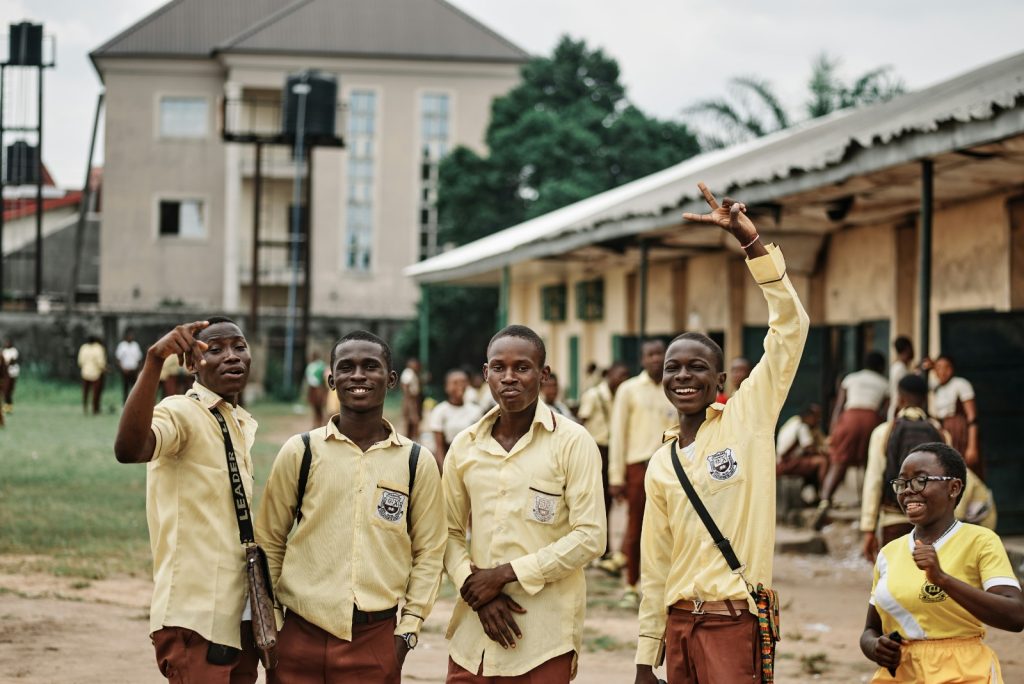
A child’s future should not be determined by the income of the family into which they are born. Yet for many Nigerian families, education can become difficult to afford. School fees, books and other costs often compete with basic household needs. Consequently, financial hardship can affect whether children stay in school and how far they progress.
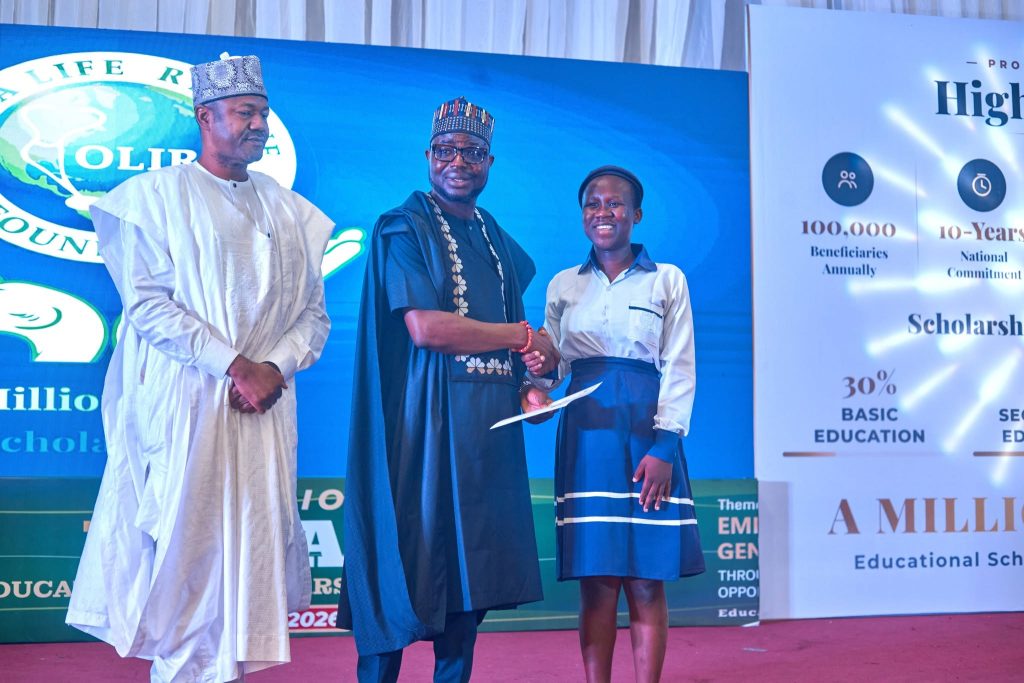
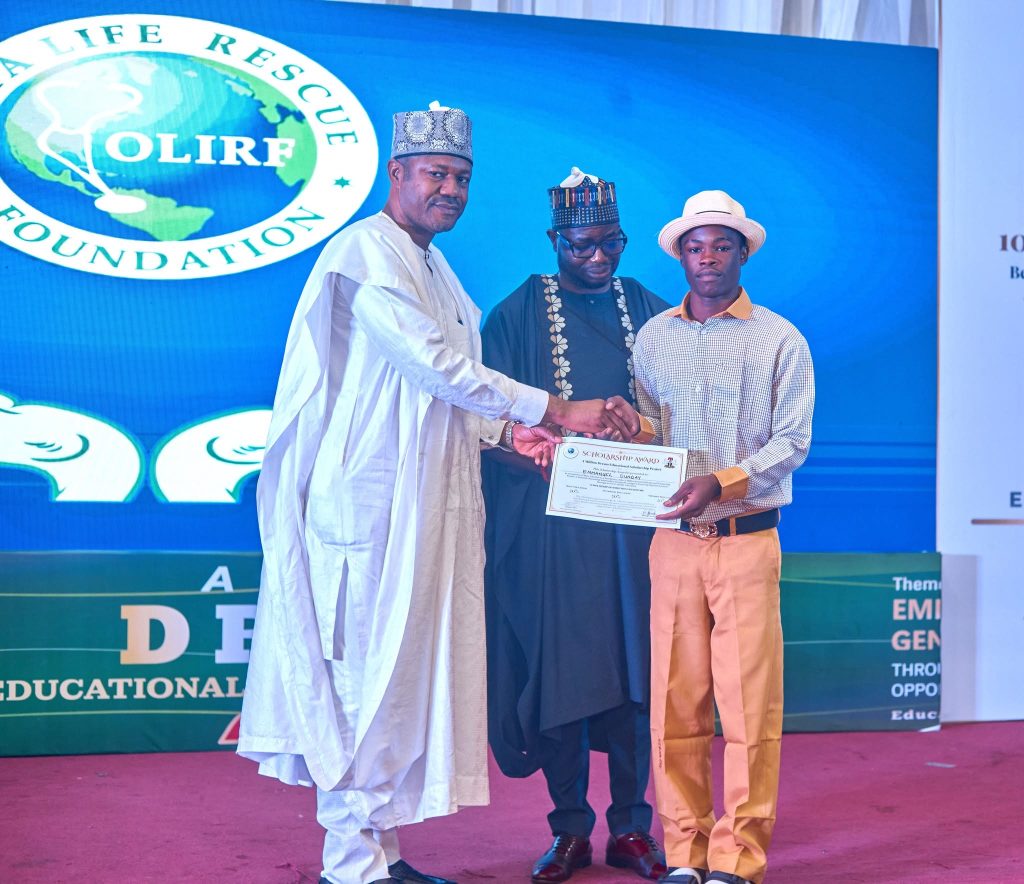
Against this backdrop, the Oma Life Rescue Foundation has launched a 10-year scholarship project targeting one million Nigerian students. The A Million Dreams Educational Scholarship Project was launched in Abuja on July 27, 2026. The foundation says it aims to support 100,000 students each year between 2026 and 2036.
The ambition comes as Nigeria continues to face a significant education gap. Therefore, the initiative raises a broader question about how philanthropy can support access to education while contributing to long-term human capital development.
Education remains a major challenge
Nigeria’s education crisis remains substantial despite years of government and development-sector intervention. UNICEF currently estimates that about 10.5 million Nigerian children aged five to 14 are out of school. It also reports that only 61 percent of children aged six to 11 regularly attend primary school.
More recent figures presented by UNICEF officials have placed Nigeria’s wider out-of-school population at about 18.3 million. In May, UNICEF identified Jigawa, Kano and Katsina among the states with the highest numbers. Poverty, insecurity and social barriers were highlighted among the factors driving exclusion.
Meanwhile, the Federal Government and development partners are pursuing larger education reforms. In July, Nigeria launched the $552 million HOPE-EDU programme, co-financed by the World Bank and the Global Partnership for Education. The programme is expected to reach about 29 million children, more than 500,000 teachers and 65,000 public schools.
The scale of these interventions shows that improving educational access requires more than isolated projects.
A scholarship across education levels
The Oma Life Rescue Foundation’s project is structured across different stages of education.
According to information released about the initiative, 30 percent of beneficiaries will come from primary and junior secondary education. Another 50 percent will be senior secondary students. Undergraduate students will account for the remaining 20 percent.
The foundation says priority will be given to academically promising students from disadvantaged backgrounds. That focus could matter considerably for families already struggling with education costs. For a younger child, financial support may help prevent an interruption in schooling. For a teenager, it could support completion of secondary education.
Similarly, for an undergraduate, a scholarship could remove one financial barrier to completing a degree. However, the value of the programme will ultimately depend on what happens beyond the scholarship award.
Investing in future skills
The project also identifies several fields that could contribute to Nigeria’s future workforce. These include medicine, nursing, engineering, artificial intelligence, cybersecurity, agriculture, renewable energy and healthcare.
Such a focus reflects an important reality. Nigeria does not only need more children in classrooms. It also needs young people equipped with skills that can support economic growth and solve social challenges.
A student who becomes a healthcare professional can serve communities. An engineer can contribute to infrastructure development. A technology graduate can build products or create jobs.Therefore, education support can potentially create value beyond the individual recipient.
From donations to long-term impact
The initiative also presents an interesting question for Nigeria’s CSR sector. What happens when social investment moves from short-term assistance towards a decade-long commitment?
A one-time scholarship can provide immediate relief. However, a sustained programme creates an opportunity to follow beneficiaries through different stages of their education. That matters because social impact should not be measured only by the amount of money spent or the number of people reached.
For a programme of this scale, stronger measures would include school retention, completion rates and academic progression. Eventually, employment, entrepreneurship and further education could also provide useful indicators. Those measures would help determine whether one million scholarships translate into one million meaningful opportunities.
The scale brings responsibility
The foundation’s target is ambitious. Reaching 100,000 students annually will require strong systems for identifying eligible beneficiaries and managing the programme. Transparent selection will be particularly important. So will sustained funding, accurate records and regular reporting. Without these elements, a large beneficiary figure may say little about the quality or lasting impact of the intervention.
The foundation’s own project materials show that the programme is already being positioned as a long-term education intervention. Its registration platform lists July 27, 2026, as the launch date in Abuja. Therefore, the next stage should be demonstrating how the ambition translates into measurable results.
One million opportunities
Ultimately, the most important number may not be one million. It may be the individual stories behind that figure. A child who remains in school could eventually become a professional. A teenager who completes secondary education could pursue higher learning. An undergraduate could gain the qualification needed to enter a profession or build a business.
Those outcomes cannot be guaranteed by scholarships alone. Nevertheless, financial support can remove one of the barriers that prevent young Nigerians from pursuing education. For the Oma Life Rescue Foundation, the challenge now is to turn a bold 10-year promise into a transparent and measurable programme.
If it succeeds, the significance will extend beyond the number of scholarships awarded. It could provide a useful example of how long-term philanthropy can support education, strengthen human capital and expand opportunity for Nigerian children and young people.
Education is only one part of Nigeria’s social-impact story. Follow CSR Reporters for more.
[give_form id="20698"]