ROSEMARY IMOBHIO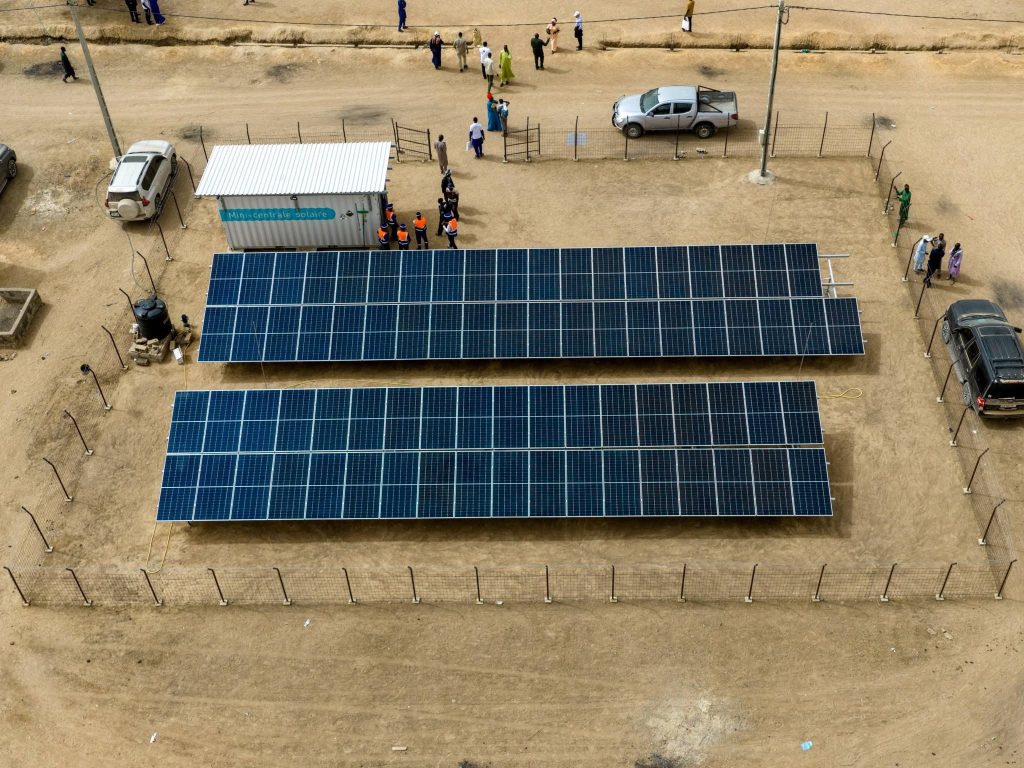
For many rural communities, access to electricity can transform everyday life. It can keep health centres running after sunset, help children study at night and create new opportunities for small businesses. That promise is becoming a reality in parts of northern Senegal, where an EU-supported solar initiative is bringing clean energy to villages that have long lived without reliable power.
Rather than serving as a one-day event, the initiative demonstrates how long-term investments in decentralised renewable energy can bridge the electricity gap in rural communities. It also reflects growing cooperation between the Senegalese government, the European Union and development partners to expand access to affordable and reliable electricity.
Clean Energy Reaches Remote Communities
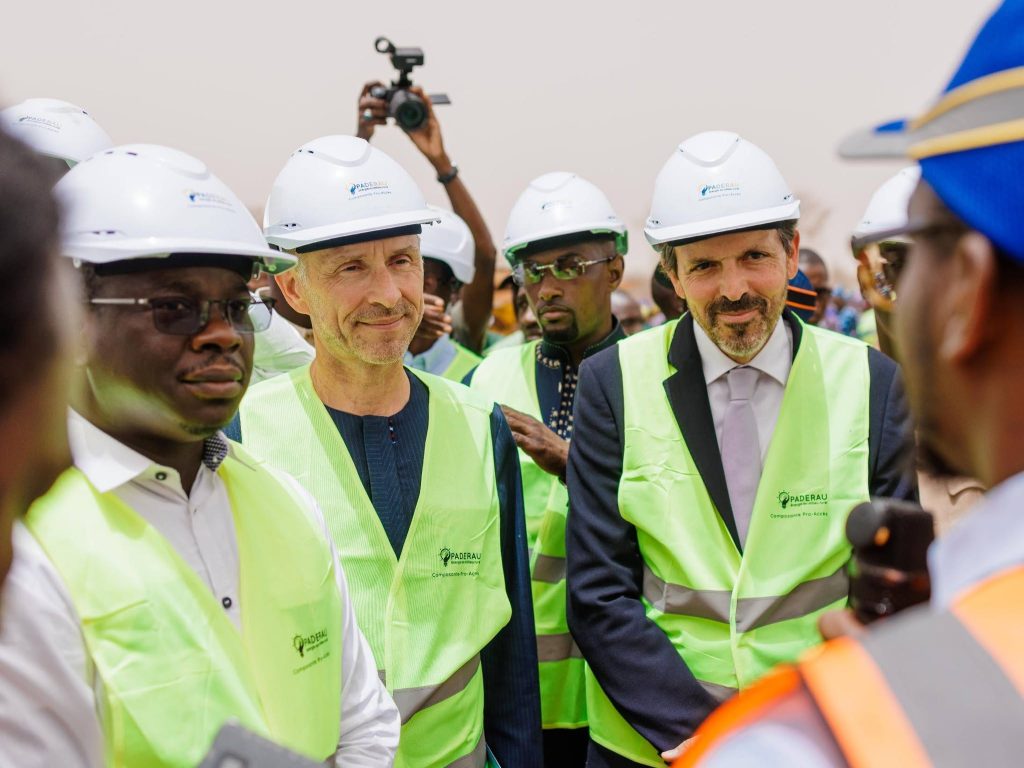
The two solar powered mini grids were inaugurated on 12 May in the villages of Dayane Kodiolé and Dayane Séllé in Senegal’s Matam region. The ceremony brought together Senegal’s Minister of Energy, Petroleum and Mines, Birame Souleye Diop, representatives of the European Union, Germany’s development agency GIZ, Senelec and local leaders.
The facilities now provide electricity to 94 households, reaching about 712 people. In addition, local schools and health centres now have access to dependable power, creating new opportunities for education, healthcare and community development. These improvements demonstrate how access to electricity extends well beyond household convenience.
PADERAU Supports Universal Electricity Access
The mini grids form part of the Programme d’Appui au Développement des Énergies Renouvelables pour l’Accès Universel, widely known as PADERAU. The programme is co-financed by the European Union and the Government of Senegal. It also enjoys technical support from Germany through the Pro-Access project.
The wider programme represents an investment of about €92 million over six years. Its objective is to strengthen electricity access through a combination of grid extensions and off-grid renewable energy systems across several regions. These include Matam, Tambacounda, Sédhiou and Ziguinchor. Ultimately, PADERAU aims to improve electricity access in 556 rural communities.
Consequently, the programme aligns with Senegal’s ambition to achieve universal electricity access while reducing dependence on fossil fuels. It also supports the country’s broader development agenda and long-term energy transition plans.
Renewable Energy Drives Sustainable Development
Electricity access remains one of Africa’s major development challenges. According to development experts, decentralised renewable energy systems have become an increasingly effective solution for communities that remain far from national power grids.
In Senegal, the latest solar installations illustrate this approach. Besides supplying electricity, the project supports economic growth by enabling small businesses to operate longer hours. It also creates better conditions for agricultural processing and other productive activities. Likewise, improved electricity strengthens essential public services, especially healthcare and education.
Importantly, renewable energy also contributes to climate goals. Solar mini grids reduce reliance on diesel generators and other high-emission energy sources. As a result, communities gain cleaner energy while lowering greenhouse gas emissions.
A Model for ESG and Corporate Sustainability
From a CSR and ESG perspective, the project offers valuable lessons for governments, investors and development organisations across Africa.
First, it demonstrates the value of partnerships that combine public funding, international cooperation and technical expertise. Second, it shows that renewable energy investments can generate measurable social benefits alongside environmental gains. Finally, it highlights how infrastructure projects can advance several Sustainable Development Goals. Particularly affordable and clean energy, quality education, good health and climate action.
Companies seeking to strengthen their ESG commitments increasingly recognise rural electrification as an investment that delivers both business and social value. Improved electricity creates stronger local economies, supports entrepreneurship and expands opportunities for future investment.
Lessons for Africa’s Energy Transition
Across the continent, many governments continue to pursue universal electricity access while responding to growing climate commitments. In this context, Senegal’s experience provides an encouraging example of how decentralised renewable energy can complement national electricity networks.
Nigeria and several other African countries are also investing in solar mini grids to serve remote communities. Therefore, projects such as PADERAU reinforce the importance of combining renewable energy, supportive policies and international partnerships to close the continent’s electricity gap.
Senegal’s Minister of Energy described the new facilities as part of the country’s commitment to ensure that no village remains without electricity. That vision aligns with Senegal’s target of achieving full electricity access by 2029 under its national strategy and the broader Senegal 2050 development agenda.
The Road to Universal Energy Access
The success of the Matam mini grids suggests that renewable energy can play a greater role in Africa’s sustainable development journey. Although much work remains, the project demonstrates that clean energy investments can improve lives while supporting economic resilience and climate action.
As governments, development partners and businesses continue to invest in renewable energy infrastructure, initiatives like PADERAU offer a practical blueprint for expanding energy access in underserved communities. More importantly, they show that sustainable development becomes more achievable when strong partnerships place people at the centre of energy transition efforts.
Follow CSR Reporters for more insights on sustainability, ESG, climate action and responsible business across the continent.
[give_form id="20698"]