ROSEMARY IMOBHIO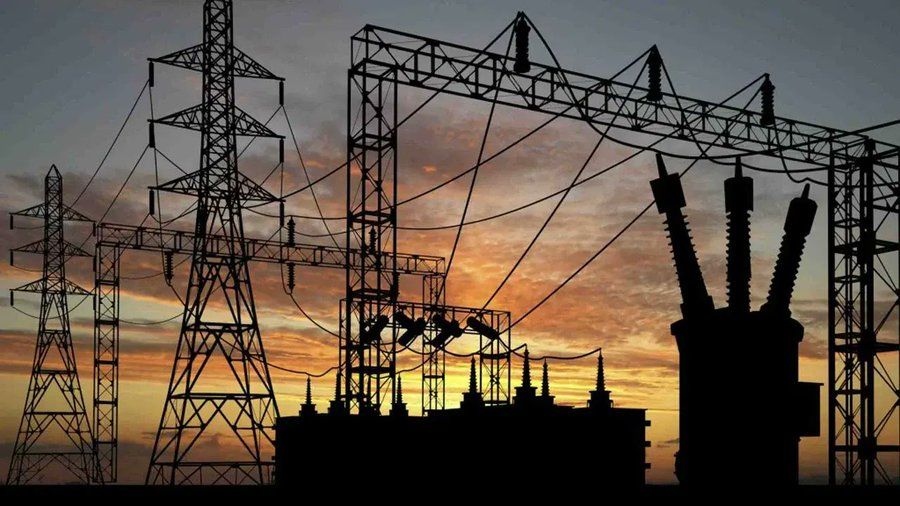
Angola is moving ahead with a major electricity interconnector that could reshape power trade across Central and Southern Africa. The project will connect Angola to the Democratic Republic of Congo (DRC) through the Southern African Power Pool (SAPP). Around 2GW of additional electricity could be directed towards the DRC’s Copperbelt mining corridor.
However, the project is about more than moving electricity across borders. It also signals a new approach to financing critical infrastructure. Luanda has selected Moroccan engineering company Société Maghrébine de Génie Civil, known as Somagec, to build and operate the interconnector. Private capital will finance the project, with funding partly arranged through Dubai-based Averi Finance.
The development follows Angola’s decision to open electricity transmission to private investment. That reform could now accelerate investment in infrastructure that governments have struggled to finance alone. Yet, as the project moves forward, important questions remain about who will benefit from the electricity and how those benefits will be measured.
Angola Opens Transmission to Private Capital
The interconnector marks an important change in Angola’s electricity sector. In 2025, Angola amended its General Electricity Law to allow private entities to participate in electricity transmission through public service concessions. The reform ended the previous public monopoly over transmission and created room for private investment.
The government said the changes would help expand the national transmission network. They also aim to encourage cross-border connections and international electricity trade. That policy shift is significant because transmission networks require substantial capital. Moreover, projects that cross national borders can involve lengthy regulatory, technical and financial negotiations.
Private participation could therefore help Angola move projects from planning to implementation more quickly. The latest interconnector is being presented as the first private transmission investment under the new framework. Consequently, its performance could influence how investors view Angola’s emerging transmission market.
For the wider region, the development could also strengthen electricity trading through SAPP.
A Power Lifeline for the DRC?
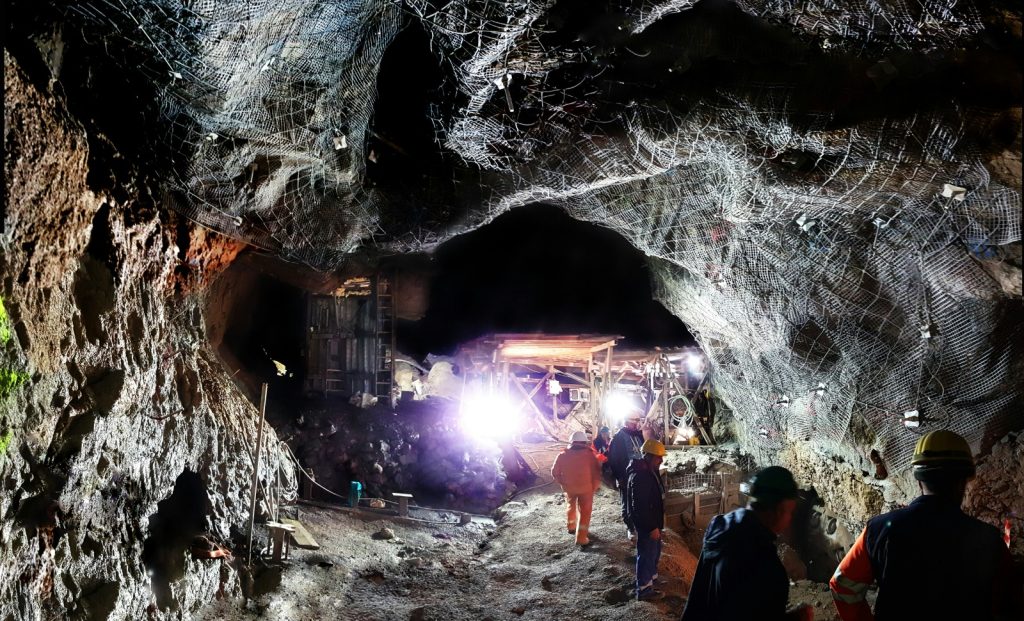
The DRC has major electricity needs, particularly around its mineral-rich southern provinces. The Copperbelt is home to important copper and cobalt operations. Yet, mining companies in the region have faced persistent power shortages.
Previous plans for an Angola-DRC transmission corridor have focused on moving surplus Angolan hydropower towards the DRC’s mining and industrial areas. One separate project, backed by Hydro-Link and partners, targets up to 1.2GW along a 1,150km transmission route.
The new development adds another layer to an increasingly active regional power market. CSR Reporters research shows the latest project could move roughly 2GW towards the Copperbelt rather than towards Kinshasa. Supporters argue that the electricity could serve populations, industries and communities. At the same time, critics have questioned whether the project is primarily designed around mining demand.
Both perspectives deserve attention. After all, mines can provide a reliable commercial customer for privately financed infrastructure. However, communities may have very different needs and purchasing power. That creates an important policy challenge for both governments.
The CSR Question Is Who Benefits
Infrastructure can create significant economic value without automatically producing broad social benefits. Reliable electricity can support businesses, schools, healthcare facilities and households. It can also help industries reduce dependence on expensive diesel generation. Furthermore, stronger electricity connections can encourage new businesses to emerge around industrial corridors.
However, those benefits depend on access and affordability. If most of the available capacity is purchased by large mining companies, communities along the route may see fewer direct benefits. Therefore, policymakers and investors will need to consider how the project can support wider development.
The question is not whether mining should receive electricity. Mining is an important part of the DRC’s economy. Instead, the question is whether infrastructure built around mining can also create lasting value for surrounding communities. That is a familiar CSR challenge across Africa.
The ESG Governance Test
The project also presents a significant governance test. Private financing can bring capital, technical expertise and commercial discipline. Nevertheless, it also requires clear rules around tariffs, concessions, accountability and public interest obligations.
The tariff question is particularly important.Ngalula Mubenga, a board member of the DRC’s Electricity Regulatory Authority, said the project could benefit both countries if Angola offers reasonable tariffs. That issue could determine how widely the benefits are shared.
A commercially viable transmission line must generate sufficient revenue to satisfy investors. At the same time, governments must ensure that electricity remains accessible enough to support national development goals.
Therefore, the success of the project should not be measured only by megawatts delivered. Governments and investors should also consider reliability, affordability, local economic impact and community access. Those indicators would provide a more complete picture of the project’s ESG performance.
Sustainability Goes Beyond Hydropower
The interconnector is expected to help move surplus electricity from Angola towards areas of high demand. Angola has significant hydropower capacity, including the Laúca facility. Connecting available generation with demand can improve the use of existing electricity resources. It can also reduce reliance on more expensive and potentially more carbon-intensive backup generation.
However, transmission infrastructure should not automatically be described as a renewable energy project. Its sustainability value depends on the electricity being transmitted, as well as the environmental and social impacts associated with construction and operation.
Therefore, developers will need to consider land use, biodiversity, local communities and other environmental risks along the transmission route. In addition, transparent impact reporting could help demonstrate whether the project is delivering the benefits promised by its backers.
A Bigger African Energy Shift
The Angola-DRC project is also part of a broader push towards interconnected African electricity markets. Across the region, governments and investors are looking for ways to move power across borders. The goal is to make better use of generation capacity while improving energy security.
SAPP already provides a framework for regional electricity trading. Consequently, new interconnectors could expand the amount of power available for trade. Private capital is increasingly becoming part of that conversation.
In 2024, SAPP and Climate Fund Managers launched a $1.3 billion financing facility targeting transmission infrastructure across Southern Africa. The initiative was designed to address the shortage of grid connections that limits regional electricity trade and renewable energy development.
Angola’s transmission reforms therefore arrive at a significant moment. If private investment can successfully deliver cross-border infrastructure, other countries could consider similar approaches.
The Real Measure of Success
For now, the Angola-DRC interconnector represents an ambitious attempt to connect electricity supply with regional industrial demand. It could strengthen energy security, support mining and deepen regional power trade. Additionally, it could demonstrate how private capital can help close Africa’s infrastructure gap.
Still, the project’s biggest test will extend beyond construction. Will communities benefit alongside industries? Will tariffs remain reasonable? How will environmental and social risks be properly managed? And will governments maintain strong oversight while private investors seek commercial returns?
Those questions will matter as much as the transmission capacity itself. Ultimately, a sustainable infrastructure project should deliver more than electricity. It should create economic opportunity, strengthen communities and operate within a transparent governance framework.
If Angola and the DRC can achieve that balance, the power corridor could become more than an energy project. It could become a meaningful example of how regional infrastructure can support Africa’s transition towards a more connected and resilient economy.
Stay with CSR Reporters for more updates on Africa’s energy transition, responsible investment, sustainability and the corporate decisions shaping our future.
[give_form id="20698"]